If you have lived in St. George since 2011—the year I officially started navigating this crazy Southern Utah real estate market—you know that the "Red Rock Heat" is not central air repair st george utah just a marketing slogan. It is a persistent, mechanical enemy. By mid-July, when the pavement is hot enough to fry an egg and the thermometer refuses to drop below triple digits, your HVAC system is the only thing standing between your home and a total collapse of livability.
As a real estate agent who obsesses over the mechanical guts of a property, I often get asked by sellers: "Do I really need a pre listing HVAC tune up, or is it just another expense to eat into my profit?"
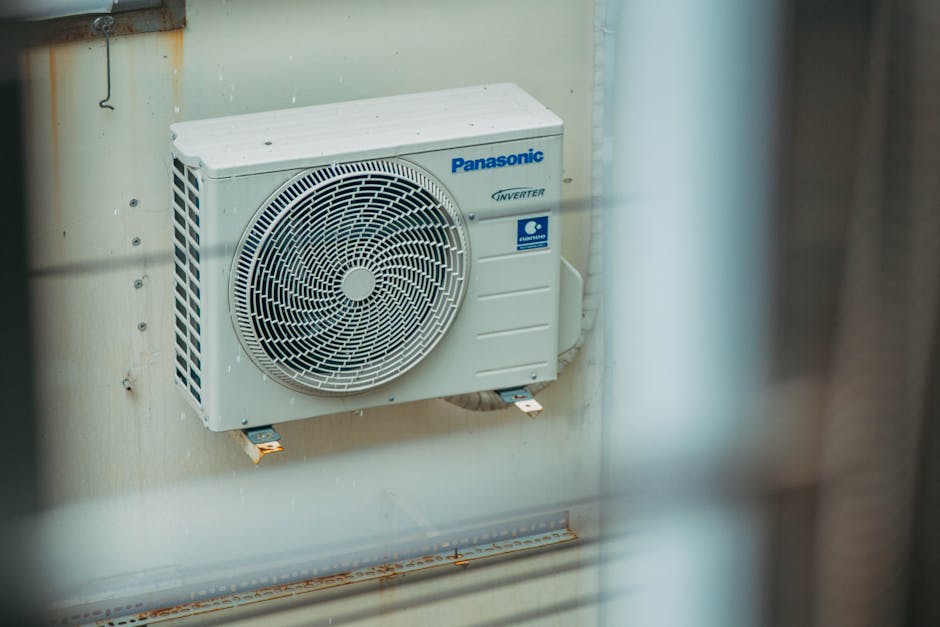
My answer? If you are planning to sell house AC check should be at the very top of your list. In our desert climate, the wear-and-tear isn't just "normal usage." It’s extreme. Dust, intense heat cycles, and grit wreak havoc on your condenser coils and capacitors. If you skip this, a buyer’s home inspector is going to find it—and you’ll end up paying for it during the negotiation phase anyway, often at a higher cost than if you had handled it yourself.
For more home-prep tips, check out our Best Utah Real Estate blog category: Home Maintenance.

The Desert Tax: Why Your AC is Working Overtime
Living in Washington County means your HVAC system runs roughly 8–9 months a year. Our desert air is laden with fine, silty dust that acts like sandpaper on moving parts. By the time a house hits the market, the unit has often been neglected for years. I’ve seen deals fall apart during the due diligence period because a home inspector fired up the unit in August, the compressor failed to kick on, and the buyer immediately demanded a full replacement.
When you perform a St George home maintenance check before listing, you aren't just cleaning coils. You are gathering data. You’re finding out if your system is at the end of its life, or if a simple capacitor replacement—costing a fraction of a new unit—will give it the boost it needs to pass inspection.
Choosing Your Contractor: The "After-Hours" Interview
One of my professional quirks—and my clients often find this humorous—is that I refuse to recommend a trade professional unless I have grilled them on their after-hours response policy. I’ve been burned by enough "9-to-5" outfits who leave families sweating in 108° heat on a Saturday night to know that availability is everything.
When looking for someone to perform your pre-listing tune-up, do not accept vague pricing. If a contractor says, "It depends on what we find," demand a scope of work and a clear, flat-fee structure for the inspection. More importantly, ask them point-blank: "If my home goes under contract and the unit dies on a Friday night, can you actually get a tech out there within 24 hours?"
Local Companies to Consider
I have a running list of trades that actually show up when the mercury hits 105°F. Here are a few that have proven their mettle:
- Element Plumbing, Heating & Air: I’ve always appreciated their transparent approach to scheduling. They tend to have a very grounded, service-first mindset. Dash Heating, Air, Plumbing & Electric: They are a larger operation, which means they have more boots on the ground during peak season. I keep notes on whether they can accommodate urgent windows, and they generally have the capacity for it. Davis Air Tec: A solid, reliable name in the valley. They understand the specific, brutal demands of St. George’s extreme temperature swings better than most.
Family-Owned vs. Large Chains
There is a constant debate in the industry: do you go with the large regional chain or the local family-owned shop? As a realtor, I keep strict notes on who gives the most "accountability."
The "Pre-Listing" Advantage
By investing in a professional tune-up, you gain a massive advantage: documentation. If you show a potential buyer a receipt from a reputable local company detailing that the unit was inspected and serviced, you are signaling that you are a responsible seller who cared for the home.
When you sell house AC check receipts are golden. They prevent the "sticker shock" of a buyer who is scared of an aging HVAC unit. If the tech notes that the system is old but functioning perfectly, you can proactively disclose that. It builds trust, and in this market, trust sells houses faster than granite countertops.
Common Pitfalls to Avoid
Overpromising Timelines: Never tell a buyer "the AC is brand new" if the technician just cleaned the coils. Be specific. Accuracy in disclosures prevents litigation. Vague Invoicing: If your contractor sends an invoice that just says "Maintenance," reject it. Ask for a breakdown: Did they check the refrigerant levels? Did they clean the condensate lines? Is the fan motor pulling the correct amperage? Ignoring the "Emergency" Question: If a contractor dodges your question about how quickly they can get to a property during a heatwave, move on. If they won't answer you, they won't help your buyer when the unit fails in the middle of a July escrow.Conclusion: The Bottom Line
In St. George, your HVAC system isn't just an appliance; it's the lifeline of the property. A pre listing HVAC tune up is one of the highest ROI tasks you can perform. It protects your transaction from the dreaded inspection-induced price renegotiations and provides peace of mind for both you and the buyer.
Stop guessing about the health of your home's "heart." Call a trusted local pro, get the service, get the receipt, and set your home up for a successful sale.
If you found this helpful, please share it with others who might be navigating the St. George market!
Share on Twitter | Share on Facebook | Share on LinkedIn