When I first started helping my realtor friend avoid a staggering $2,400 physical staging bill, I didn’t realize I was stepping into a niche that would consume my weekends. After logging over 200 hours testing a dozen different staging platforms and churning out listing photo sets under impossible deadlines, I’ve learned one thing: your website is your storefront, your portfolio, and your disclosure policy all rolled into one.
If you are building or refining your site as a virtual staging specialist, you need more than just a gallery. You need to prove you understand the nuance between "pasted-on furniture" and a conversion-ready listing. Before we dive into the structure, I have to ask: Did you reshoot the photo first? If you’re trying to stage a room with poor lighting or a bizarre camera angle, no AI in the world can save you. Let’s build a site that reflects the professionalism of a real estate expert, not a hobbyist.

1. The "Why": AI Virtual Staging vs. Physical Staging
Your prospects are likely coming to you because they are tired of writing checks for physical staging that sits in a vacant property for 30 days while the furniture collects dust. Your website must clearly articulate the value proposition.
The Price Breakdown
Transparency is key. Nothing annoys me more than "Contact for Quote" buttons when the industry has set clear standards. You need a dedicated section comparing the costs. Use a table to make the ROI undeniable for the realtor:
Feature Physical Staging Virtual Staging Setup Time 2–5 Days 24–48 Hours Avg Cost $2,000–$5,000 $30–$100 per image Flexibility None Endless StylesBe honest about pricing. For example, industry leaders like BoxBrownie https://best-virtual-staging-softwares.mystrikingly.com set a baseline. Mentioning that you offer a comparable, premium service—typically in the $32–48 per staged image range—establishes that you are priced competitively while offering the manual, high-end touch that automated platforms miss.
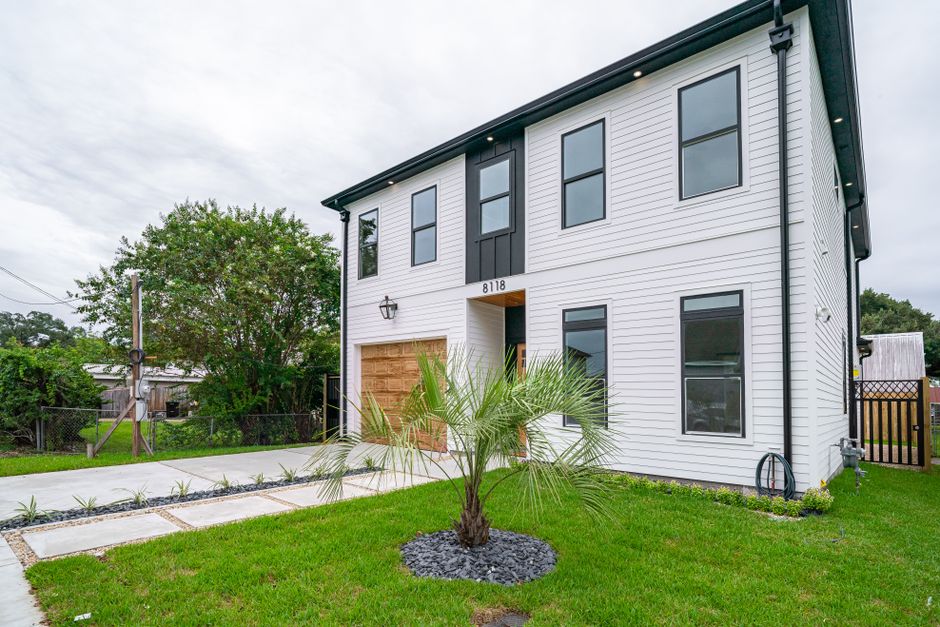
2. Photo Realism: The "Uncanny Valley" Trap
Last month, I was working with a client who learned this lesson the hard way.. If your website features "fake-looking shadows" and furniture that looks like it’s floating, you’ll lose clients instantly. Your portfolio section must emphasize your eye for scale, lighting, and shadow.
Include a "Before/After" slider tool. This is the gold standard for client presentation tools. Seeing the raw, cold, empty room side-by-side with the warm, lived-in staged version is what closes the deal. Highlight these specific elements in your copy:
- Consistent Lighting: Does the virtual lamp match the room's natural window light? Proper Scale: If a sofa looks like it was designed for a dollhouse in a massive living room, it screams "cheap edit." Natural Shadows: Light should hit the floor exactly where the furniture occupies it.
3. Navigating the "Rooms That Break AI"
Every specialist knows the pain of a "broken" photo. Be a hero by educating your clients on what makes a great base image. Create a blog post or a dedicated FAQ section called "How to shoot for success."
List the rooms that are notorious for breaking AI algorithms:
Dark Rooms: If there isn't enough natural light, the AI will struggle to render textures accurately. Narrow Kitchens: These create perspective distortion that makes furniture look warped. Awkward Angles: Wide-angle shots that distort the ceiling line are a nightmare to stage correctly.By teaching your clients to reshoot these specific setups, you save yourself hours of rework and ensure the final product looks top-tier.
4. Turnaround Times and Listing Deadlines
In this industry, time is everything. There's more to it than that. If a house isn't on the MLS by Thursday for the weekend open house, you’ve failed your client. Your website needs to clearly state your commitment to delivery.
Use a "Countdown" mentality in your messaging: "24-hour turnaround for standard requests; 48-hour for complex custom edits." Realtors operate on 30-second decision cycles. If they can’t find your turnaround time on your homepage, they will navigate away to a competitor who promises 24-hour delivery.
5. MLS Workflow and Disclosure Rules
This is where amateurs get sued. Real estate boards have strict rules regarding the disclosure of virtual staging. If you aren't mentioning this on your site, you aren't doing your job.
Why Disclosure Matters:
- Legal Compliance: Most MLS boards require a watermark or a clear note stating the image is "Virtually Staged." Trust: Buyers don't want to show up to a house expecting a fireplace and a designer rug only to find an empty, gutted wall.
On your website, provide a "Help Center" or "Compliance" page that shows your clients exactly how to add the required disclosure. Offer to add the watermark for them as a value-add service. It positions you as an expert who protects the realtor's license, not just someone who drags and drops couches onto floors.
6. Custom Domain Branding and Client Portals
If you are sending your staging work via a generic WeTransfer link, you are missing a massive branding opportunity. Your website should host Client Presentation Tools.
Why this matters:
- Custom Domain Branding: Ensure your staging link uses your own domain. It makes the realtor look like they hired a high-end agency, which makes you look like an elite partner. Project Management: Build a secure portal where clients can download their high-res files, request a revision, and pay their invoice in one spot.
Final Thoughts: Don't Sell Staging; Sell Speed
Ultimately, a virtual staging specialist’s website isn't about the furniture you choose. It’s about the problem you solve. Realtors need to move properties fast, and they need to do it without spending thousands of dollars on physical staging.
Keep your messaging sharp, your turnaround times visible, and your disclosure policies transparent. And please, for the love of good design, stop staging bad photos! If the room is dark and the angle is weird, tell your client to retake the shot. They might be annoyed for 30 seconds, but they will be thrilled for 48 hours when they see how much better the final result looks.
Ready to elevate your listing photos? Check out my portfolio and let's get your next property market-ready.