If you have lived in St. George since 2011 like I have, you know that the "dry heat" joke stops being funny around the third week of June when the mercury climbs past 105°F. I’ve spent the last thirteen years helping people buy and sell homes here, and if there is one thing I’ve learned, it’s that a house is only as good as its HVAC system. In our desert climate, an air conditioner isn't just a luxury—it’s a life-support system.
I keep a running shortlist of tradespeople on my phone. Why? Because when your blower motor kicks the bucket at 9:00 PM on a Tuesday in July, you don’t want to be scrolling through Google reviews. You want someone you can trust. Over the years, I’ve learned that there is a massive difference between the big-box chain operators and the family-owned shops. But here is the kicker: even the best small HVAC company has limits. Before you save their number in your contacts, you need to have "the talk" with them.
The Desert Reality: Why HVACs in Southern Utah Work Overtime
Before we get into the vetting process, let’s talk about the environment. Our desert climate is brutal on equipment. The fine, silty dust we deal with in places like Washington Fields and Ivins acts like sandpaper on internal components. Combine that with the fact that these units are running 24/7 for months on end to keep your home under 80°F, and you have a recipe for premature wear-and-tear.
I cannot stress this enough: desert wear-and-tear on HVAC systems is real. Your unit here is working twice as hard as a unit in Salt Lake City or Seattle. When I represent a buyer, I am always pushing for a deep-dive, pre-purchase AC inspection. I’m not just looking at whether it turns on; I’m looking at the capacitor, the condenser coils, and the age of the unit. If you’re a new homeowner, you need to understand that your system is constantly battling the desert, and it will eventually lose that battle. Knowing who to call when it does is the difference between a minor hiccup and a total home catastrophe.
Family-Owned Accountability vs. Chain Operators
One of my favorite things about St. George is the number of high-quality, family-owned HVAC businesses. There is a level of accountability when the guy who answers the phone has his name on the side of the truck. I’ve worked with teams like Element Plumbing, Heating & Air, and I’ve seen how they handle their clients—it’s personal. They have a vested interest in the community because they live here, too.
However, small shops have distinct small HVAC company limits. They don’t have an army of fifty technicians on standby. When you choose a family-owned operation, you are choosing quality, air conditioning tune up benefits but you are also choosing a team that has a ceiling on their capacity. That is why, if you are looking for a reliable partner, you need to be very specific about their emergency response capabilities.
The Checklist: What to Ask Before the Emergency Hits
I have a personal rule: If a contractor dodges a direct question about their emergency response window, I don’t hire them. It’s that simple. I get really annoyed by vague pricing or companies that promise "24/7 service" but don't define what "service" actually looks like on a weekend.
When you are vetting a company—whether it’s a big name like Dash Heating, Air, Plumbing & Electric or a specialized local team like Davis Air Tec—you need to ask the hard questions. Don't be polite; be thorough. Use this table as your guide:
Question to Ask What to Look For The "Red Flag" Answer "Do you have a technician on call after 8 PM?" Specific protocol for off-hours. "We usually get back to you the next morning." "What is your target emergency response window?" A realistic timeframe (e.g., 4-6 hours). "We get there when we can." "Do you charge an 'emergency' premium?" Transparent, upfront pricing structure. "It depends on the scope" (with no details). "What parts do you keep in your emergency van?" Capacitors, contactors, basic fuses. "We have to order everything."Confirming Response Windows and After-Hours Availability
You must confirm response windows before you actually need them. A lot of companies overpromise timelines during the peak of summer. If a contractor tells you they can be there in "under an hour" during a heatwave, they are likely overpromising. In St. George, when the temperature hits 110°F, every HVAC company is swamped. I respect a company that tells me, "Look, we are booked out, but we prioritize emergencies for existing clients." That’s honesty.
Always ask about after-hours availability. Is there a live person answering the phone, or an automated recording? If it’s a recording, how often is it checked? I keep notes on which companies prioritize their maintenance-plan members for these after-hours calls. If you are a homeowner, sometimes paying for a maintenance plan is actually buying yourself a "priority pass" for when the system fails at midnight.
Why Homebuyers Must Plan for HVAC Failures
I talk about this constantly on the Best Utah summer AC maintenance Utah Real Estate home maintenance category page. When buying a home in Southern Utah, you aren't just buying square footage; you’re buying a machine that needs constant upkeep. Desert wear-and-tear on HVAC systems is inevitable. If you are a buyer, include a clause for an HVAC tech inspection—not just a standard home inspection.
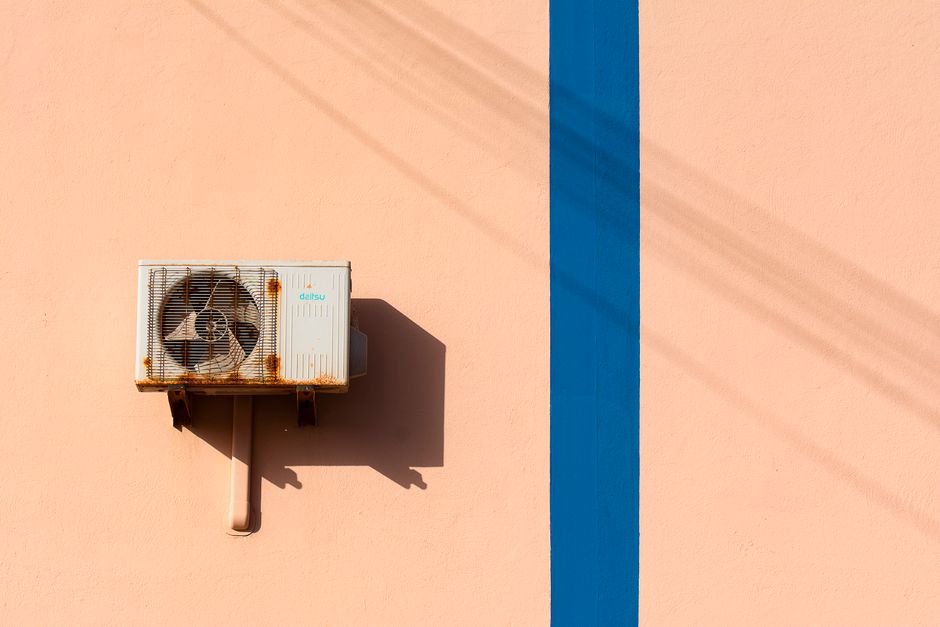
I have seen buyers walk away from deals because they realized the HVAC unit was a relic that would cost them $10,000 in its first year. I’ve also seen buyers who used that information to negotiate a credit, which they then used to build a relationship with a local contractor like Davis Air Tec before they even moved in. That is how you win in this market.
Final Thoughts: Don't Wait for the Heat to Hit
Look, I get it. We are all busy. But the worst time to figure out who is going to fix your AC is when your living room is 90 degrees and the kids are crying. Take the time today to research, call a few reputable local companies, and ask them these questions.
If you appreciate this advice, check out more tips on the Best Utah Real Estate site. We keep a deep archive of home maintenance wisdom to help you keep your investment in top shape. If you found this useful, please help a neighbor out and share it!
- Share on Twitter Share on Facebook Share on LinkedIn
Remember: The best HVAC pro is the one you already know, not the one you're scrambling to find at midnight. Stay cool, St. George!
