Metal roofs are increasingly popular in Collin and Denton counties, Texas, thanks to their durability, energy efficiency, and sleek modern look. But what happens when severe weather—especially hail—strikes and leaves dents on your metal roof? If there’s no leak, will your insurance cover the damage? This question trips up many homeowners and contractors alike.
Before we dive in, a quick reminder: pull your declarations page before calling anyone. Your policy’s declarations page is your roadmap for what your insurer covers—especially deductibles and loss settlement methods. It’s a crucial step that will save you headaches down the line.
Understanding Metal Roof Hail Dents and Insurance Coverage
Metal roof hail dents are a common concern after Texas storms, but insurance doesn’t always cover every ding or dent. Whether your insurance pays depends on a few key factors:

- Policy wording about cosmetic damage The size of your wind and hail deductible The age of your roof and associated depreciation Whether the damage affects roof function like causing leaks
1. Cosmetic Hail Damage vs. Functional Damage
Insurance policies often differentiate between functional damage and cosmetic damage. For metal roofs, dents from hail may only impact the appearance, not the roof’s ability to shed water.
Many policies include cosmetic damage exclusions, meaning damage that does not impact the roof’s function—like small dents without leaks—may not be covered. Insurers argue that dents alone don’t shorten the roof’s life or increase claims risk unless they cause leaks or structural failures.
Contractors and homeowners often crack under the msn pressure to fix “unsightly” hail dents, but insurers may deny claims citing cosmetic damage. Always verify your policy language on cosmetic damage exclusions before proceeding.
2. Wind and Hail Deductibles Are Rising in 2026: Expect 2% to 3%
Starting 2026, many Texas insurance policies will raise wind and hail deductibles to 2% to 3% of the dwelling coverage. This means if your house is insured for $500,000, your deductible will be between $10,000 to $15,000 on wind and hail claims. This deductible applies regardless of how small your roof damage claim might be.
Important: Deductibles for wind and hail are based on your dwelling coverage amount, not the size of the claim. So a minor cosmetic dent claim will still face a deductible set at $10,000+ if you have a 2% or 3% wind/hail deductible.
This often surprises homeowners who expect deductibles to be a set dollar amount or a percentage of their claim cost. This is a crucial reason to look at your declarations page before storm damage calls, so you understand how this deductible applies.
3. Actual Cash Value (ACV) Payouts and Roof Age
Metal roofs that are 10 to 15 years old or older will usually be adjusted on an Actual Cash Value (ACV) basis rather than Replacement Cost Value (RCV). In simple terms, your insurer deducts depreciation for roof wear and tear when calculating your payout amount. This depreciation can significantly reduce your settlement check.
For example, a 12-year-old metal roof that cost $20,000 new may be depreciated by 50% or more. Even if you have a replacement cost policy, the insurer likely will only pay you the ACV initially and may require roof repairs or replacements before paying the difference.
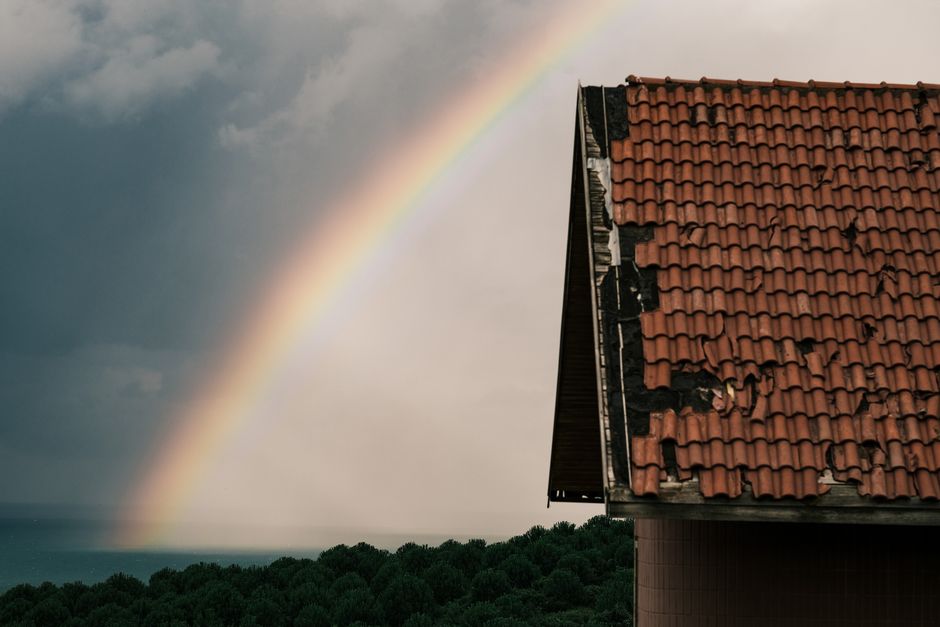
The takeaway: even if the hail damaged metal roof dents are deemed a covered loss, your payout may be reduced due to depreciation if your roof is older.
Why Roof Resale Value Matters with Metal Roof Hail Dents
Cosmetic hail damage to a metal roof—while not always covered—can influence your home’s resale value. Buyers are savvy and often notice dented metal roofs, which may trigger questions about roof condition, leak potential, and maintenance history.
Landscaping and exterior appearance directly affect curb appeal and appraisal outcomes. Dents and cosmetic damage may lower offers, especially on metal roofs where aesthetics matter a lot more than on traditional shingle roofs.
If your insurance refuses a claim because the dents are purely cosmetic, consider:
- Getting reputable contractors’ quotes for repairs or dent removal Taking dated photos ( ideally before and after the hail event) Disclosing cosmetic damage upfront when selling
What Steps Should Texas Homeowners Take After Discovering Metal Roof Hail Dents?
If you discover hail dents on your metal roof but have no leaks, here’s a practical step-by-step guide to handle the situation:
Pull your declarations page from your insurance policy. Check your wind and hail deductible percentage and your dwelling coverage limit. Document with dated photos. Take clear, close-up shots of the dents and broader shots to illustrate the hail event impact. Contact your insurance agent and ask for guidance on filing a hail claim. Don’t rush to sign any contractor estimates immediately—watch out for “roof scam lines” like pressure for same-day signatures. Request an insurance adjuster inspection to evaluate if the damage is functional or cosmetic. Understand your depreciation and payout method (ACV vs. RCV) before agreeing to settlements. Get estimates from honest contractors who explain what repairs are cosmetic versus necessary for protection. Consider cosmetic upgrades or dent repair out-of-pocket if insurance denies or limits your claim for cosmetic damage.Common “Roof Scam Lines” to Watch for After Hail Events
I keep a running list of suspicious pitch tactics I want you to know, especially after you’ve pulled your declarations page!
- “Sign this today to lock in insurance prices.” Contractors pushing for same-day signatures may be trying to avoid scrutiny. “Your insurance pays 100% of the repair, no deductible.” If your policy has a wind/hail percentage deductible, this isn’t honest. “We guarantee we can remove dents without replacement.” No magic fix exists for all types of hail dents. Get an expert opinion. “The more damage, the higher payout.” Don’t let anyone tell you to inflate damages or manipulate claims.
Summary Table: Key Considerations for Metal Roof Hail Dent Claims
Consideration What You Need to Know Action Item Cosmetic Damage Exclusions Many policies exclude coverage for dents that do not affect roof functionality. Review your declarations page and policy language for cosmetic exclusions. Wind and Hail Deductibles (2026+) Rising to 2%-3% of dwelling coverage regardless of claim size. Confirm your deductible percentage to assess claim viability. Depreciation & ACV Payouts Roofs 10-15 years old often paid out on ACV with depreciation deductions. Get roof age verified and understand payout method before settling claim. Documentation Dated photos before and after hail damage are vital evidence. Take clear photos immediately after storms. Roof Resale Value Visible dents can reduce curb appeal and buyer offers. Consider cosmetic repairs or disclosure when selling.Final Advice
If your metal roof has hail dents but no leaks, don’t rush to assume insurance will cover cosmetic damage. Pull your declarations page first, review your deductible and policy exclusions, and gather dated photos. Use these tools to make informed decisions when talking to your insurance company and contractors.
Remember: while metal roof hail dents may not always trigger insurance payouts, handling documentation, understanding your policy, and watching out for unscrupulous contractors are your best defenses against frustration and financial loss.
For more tips tailored to homeowners in Collin and Denton counties, stay tuned and always pull the declarations page first!
```